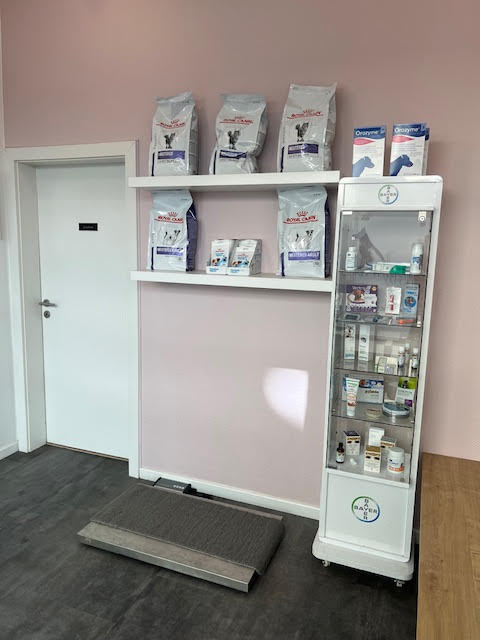
Behind the scenes with Dr. Jaeger
By Johanna, Veronique
Published May 9, 2026
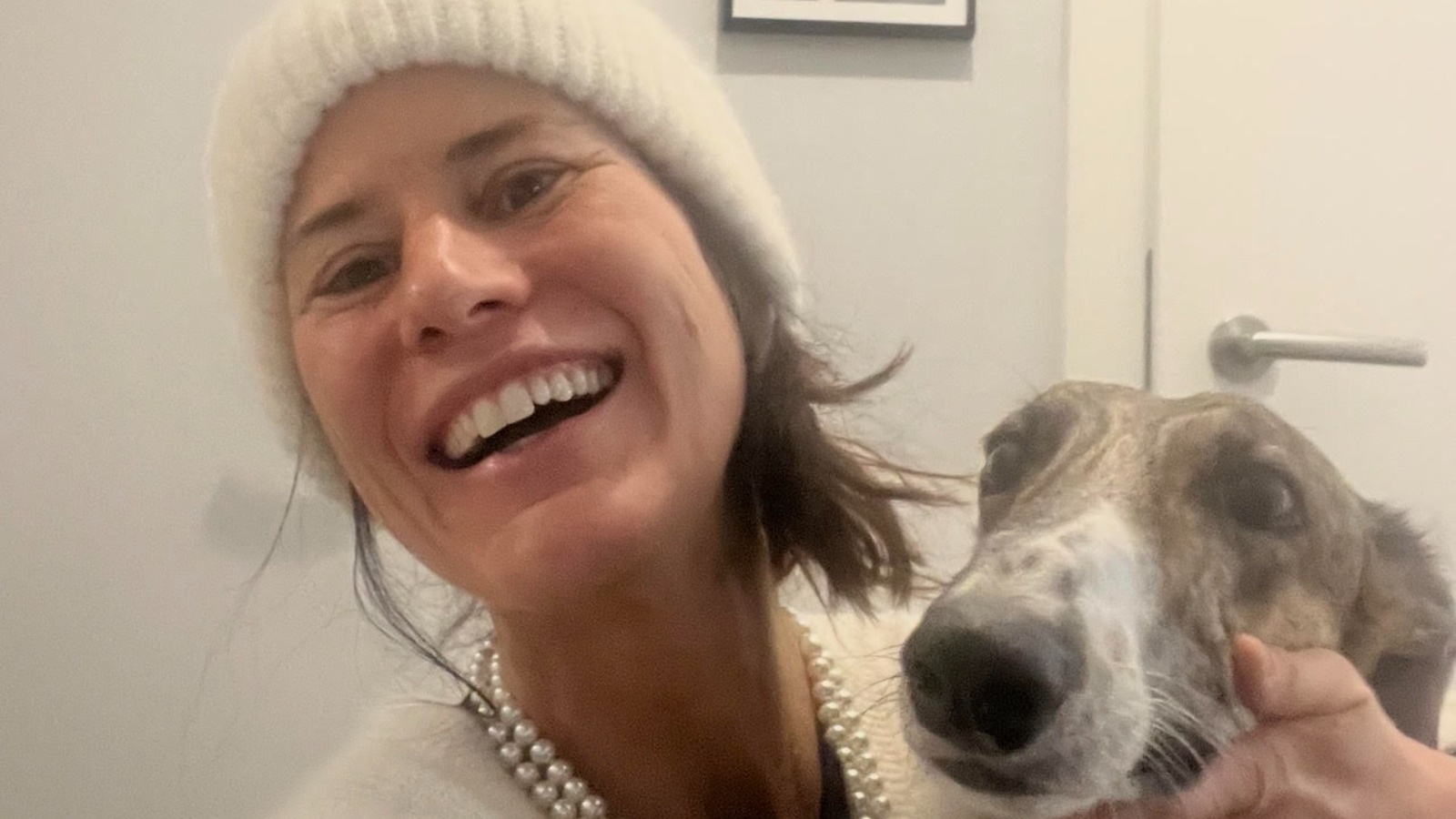
We’ve had the pleasure of interviewing Dr. Véronique Jaeger—a passionate vet who knew her path from a very young age, and followed it to make it her reality.
Some people say they’ve always known what they wanted to do. In her case, you can actually feel it.
What stands out to us is not just her experience, but her approach: caring for animals while guiding owners with clarity, patience, and without judgment.
She also shares simple but important reminders: don’t wait too long before consulting, pay attention to small changes, and remember that a pet is a lifelong commitment.
And then there are the moments that stay with you—like when hope, and not giving up too soon, can quite literally save a life.
I don’t know about you, but I can feel the passion and love for animals through the screen.
Discover more about Dr. Jaeger, what led her to this path, her advice for pet owners, what makes her practice special, and much more.
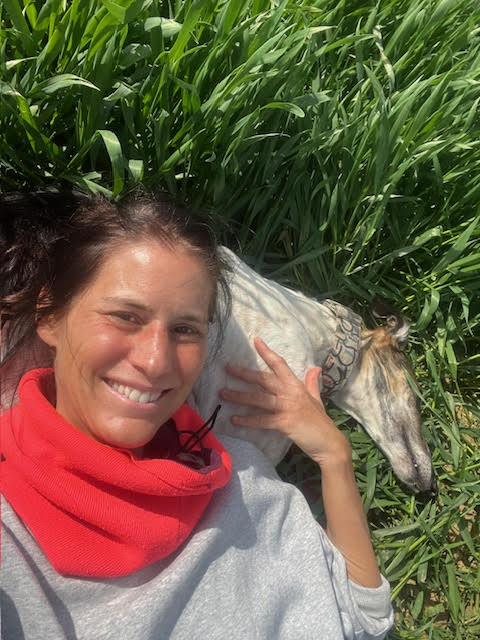
About your profession
What made you want to work with animals?
Ever since I was a little girl, I’ve been drawn to animals; I love being around them, and even at the age of 8 I used to go to our vet to observe consultations. Actually, I knew from a very young age that I wanted to do this job.
How long have you been practising, and what do you like most about your job?
I’ve been practising this profession for 18 years and I’m still just as passionate about it. What I love most is simply being in contact with animals, and above all helping them get better, making sure they’re not in pain, and understanding where the problem lies.
What makes your practice or your approach unique or different from other vets?
Our practice is quite like a family-business. I work there with my assistant; we make a real team. We know our clients and their pets well, so they always deal with me. Claire already recognises clients’ voices when they call to order medication and knows what they need.
How do you build trust and reduce stress at your practice?
I try my best to explain to clients what is wrong with their pet and what options we have for treating the problem. I listen to them, don’t impose my own views, but guide them in their choices and support them in their decisions; and if necessary, I refer them to a clinic I trust and stay in touch afterwards.
Which types of animals or cases are closest to your heart?
Honestly, I don’t have a preference between animals. All animals touch me in some way. They all have their own little charm, and I simply love looking after them. I’m particularly moved by some older animals.
What do you appreciate most about your relationship with pet owners?
I love the relationship I’ve built with them over many years in some cases, that mutual trust. I have very kind clients who respect me, and I like everyone to feel at home in our practice.
What would you like pet owners to know or do more of?
It’s important for owners to realise, before getting a pet, that a pet is for life, that it involves costs, and that before getting a pet they should find out properly about the breed, where it comes from, the conditions in which it lives, and whether they can provide the animal with what it really needs: not just keeping a pet in a small cage, ensuring a large dog gets the walks it needs, and so on.
Which types of animals or cases are closest to your heart?
Honestly, I don’t have a preference when it comes to animals. All animals touch me in some way. They all have their own little charm, and I simply love looking after them. I’m particularly moved by older animals.
What are the most common mistakes you see pet owners making when it comes to veterinary care?
In some cases, people wait too long before coming for a consultation, and by then the animal is already very weak; treatment would have been simpler if it had been addressed earlier.
What advice would you give to pet owners on how to prepare for a vet’s appointment?
For a first visit, it is essential to bring the pet’s passport. As a general rule, it is important to answer each question as fully as possible, as even small details can be significant. They may want to make a note of any questions or observations they have made about their pet. Sometimes, due to the adrenaline, animals do not always display the same symptoms as they do at home, or if these are symptoms they do not show every day, a short video taken beforehand can help us, or some photos.
Is there a simple thing owners can start doing today to improve their pet’s wellbeing?
Before getting a pet, it’s important to find out in advance about the animal’s needs, whether it’s a dog, a cat or a rabbit… and to be sure you have the time to devote to your pet. It’s also important to realise that a pet is a lifelong commitment and that this will also involve costs.
What is the most underestimated ‘warning sign’ in animals that owners should watch out for?
In older animals, drinking more is a sign that may indicate a health problem, such as kidney disease or hyperthyroidism. Also, if an older cat is struggling to move around or jump, or is no longer grooming itself as it used to, we should consider the possibility of pain and not simply assume it’s normal because the cat is old.
What advice would you give to someone looking for a vet for their pet for the first time?
You need to know what you expect from a vet, and choose based on what you’re looking for.
About you
Do you have any pets? Tell us about them!
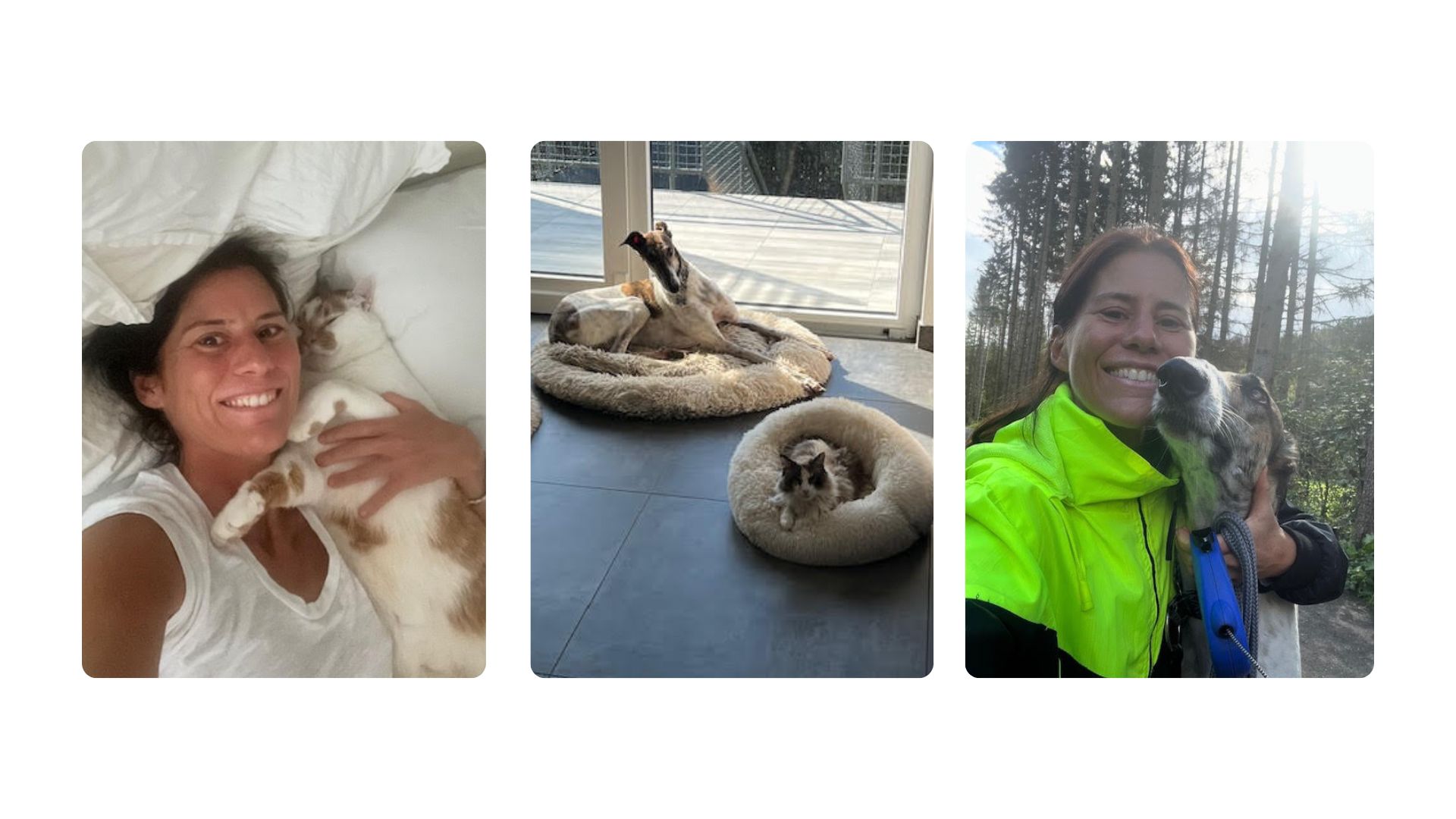 I’ve always had pets – dogs and cats – which I adopt from shelters in Gasperich, Spain, Tunisia or Romania.
At the moment I have two cats that were brought to me in terrible condition.
My female cat was found on a street near the station, with a fractured pelvis and emaciated. She was brought to me in a tiny shoe box. She weighed just 1.8 kg for an adult cat. I nursed her back to health, took her home, and after sleeping for a month, she started to get up; now she lives the life of a princess and is the queen of the neighbourhood. She’ll soon be 12 or 13 years old, and I got her in 2016. I called her Chaussette.
My other cat had been found on the motorway at seven weeks old by some people who brought him to me. He had multiple fractures in his right hind leg, and apart from amputation there was nothing else that could be done. So I had the operation done and took him home to recover, and of course I kept him too, and since then he’s been a huge, chubby cat who purrs all the time. However, he’s very scared of all noises; he sleeps all day on my bed and comes out at night. I’ve called him Maui.
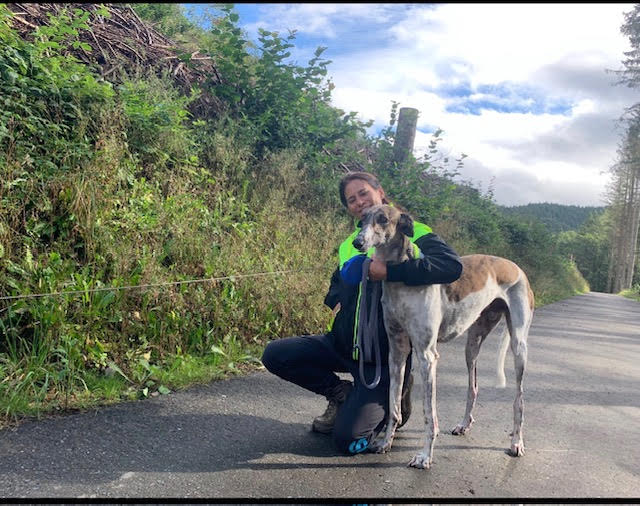
My dog is a Galgo crossbreed, Biggy, who comes from Romania. He was being used there for illegal dog racing until several dogs were seized from his owner. He was placed in a shelter and taken in by an organisation in Luxembourg. Nobody wanted him because he’s very, very big, but he’s a lovely dog and we make a great team.
Can you share a moment or a story that reminds you why you love your job?
I had a cat who was in a pretty desperate state, and after two days, when I could see an improvement, I said to myself once again what a wonderful job I have, that you must always believe in it and not give up too soon. And when the cat was able to go home, it really made me so happy.
What do you like to do when you’re not working with animals?
When I’m not working, I love going for long walks in the woods and I go for a run twice a week with my dog. I also love cooking – I’m a vegetarian – reading, watching Netflix series with my cats curled up on me, seeing my friends and family, going to restaurants, and working in my garden. I also really enjoy shopping, especially with my sister. I also love travelling, or going on short city breaks over a long weekend.
What do people often not realise about being a vet?
It’s a tough job to handle, because you have to be there for the animals, but also very much for the people. For some people, their pet is all they have, and having to tell them that sometimes there’s nothing more we can do is very, very hard. Making the decision to euthanise is also particularly difficult. We support them as best we can, but even for us, having to do it when we’ve known the animal for a long time is difficult.
If you weren’t a vet, what would you like to do instead?
Honestly, I don’t think any other job would suit me. Well, sometimes I imagine opening a restaurant, but I prefer cooking for myself or my friends and doing my dream job.
Tip of the month
Would you like to share a tip with our readers this month?
Tick season is here, and it’s important to protect them from now on.
About Cabinet Vétérinaire Jaeger
Discover their profile on Pet Pro Booking
🐶 🐱 Does your pet love Dr. Jaeger? Leave her a recommendation!